
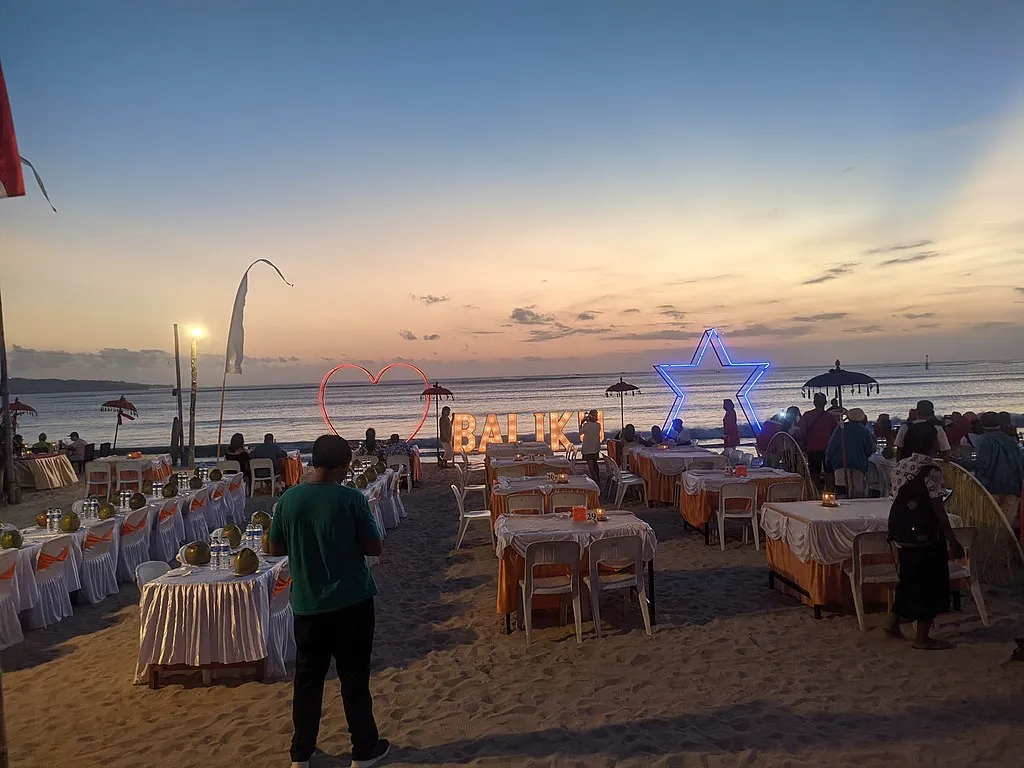
The Definitive Tokyo to Bali Travel Guide for the Discerning Japanese Traveler

For the Japanese traveler, a trip to Bali represents more than a simple vacation; it is an immersion into a culture of profound spirituality, artistry, and natural elegance. The transition from the structured dynamism of Tokyo to the fluid tranquility of Bali requires careful planning to ensure a seamless experience. This guide provides essential, practical information for your travel from Japan to Bali, focusing on direct flights, entry logistics, and cultural nuances that resonate with a refined sensibility. We address the key considerations for planning a sophisticated holiday, whether it is a serene honeymoon or an enriching family retreat. See also: Tokyo to Bali Travel Guide.
Understanding the logistics of the Tokyo to Bali connection is the first step. With a flight time of approximately seven to eight hours, the island is an accessible yet distinctively foreign destination. This guide is designed to equip you with the knowledge to navigate your arrangements with confidence, from selecting the right flight to understanding local customs.
Direct Flights: Navigating Your Tokyo to Bali Flight Options
The journey from Japan to Bali is most efficiently made via direct flights from Tokyo’s two primary international airports—Narita (NRT) and Haneda (HND)—to Denpasar’s Ngurah Rai International Airport (DPS). The choice of airline and departure airport can significantly shape the initial hours of your holiday. Major carriers operate on this popular route, each offering a different level of service and convenience. The direct Tokyo Bali flight typically takes around 7 hours and 30 minutes, minimizing travel fatigue and maximizing your time on the island.
Garuda Indonesia, the flag carrier of Indonesia, often operates from both Narita and Haneda, providing a direct introduction to Indonesian hospitality. Japan Airlines (JAL) and All Nippon Airways (ANA) also service the Narita to Denpasar route, ensuring the high standard of service Japanese travelers expect. When booking, consider factors beyond price, such as departure times, luggage allowance, and in-flight service, especially when traveling with family.
Tokyo (NRT/HND) to Denpasar (DPS) Airline Comparison
| Airline | Departure Airport | Typical Aircraft | Key Features |
|---|---|---|---|
| Garuda Indonesia (GA) | Narita (NRT) / Haneda (HND) | Airbus A330 / Boeing 777 | Direct service with Indonesian cultural elements; often generous luggage allowance. |
| Japan Airlines (JAL) | Narita (NRT) | Boeing 787 Dreamliner | Consistently high-quality Japanese service and cuisine; part of the oneworld alliance. |
| All Nippon Airways (ANA) | Narita (NRT) | Boeing 787 Dreamliner | Exemplary service standards; Star Alliance member benefits. |
Visa and Entry Requirements for Japanese Citizens
For Japanese passport holders, entering Indonesia for tourism is a straightforward process. As of 2023, citizens of Japan are eligible for a Visa on Arrival (VoA), which allows for a stay of up to 30 days. This visa can be extended once for an additional 30 days at an immigration office in Bali. The process upon arrival at Denpasar (DPS) is well-organized, but knowing the requirements beforehand ensures a smooth entry.
To obtain the VoA, you must present the following at the dedicated counter before proceeding to immigration:
- A passport with at least six months of remaining validity from your date of entry.
- Proof of a return or onward ticket out of Indonesia.
- The VoA fee, which is IDR 500,000 (approximately USD 35, though the IDR amount is fixed). Payment can be made in major currencies or by credit card.
For enhanced convenience, the Indonesian government has introduced an electronic Visa on Arrival (e-VoA) system. Japanese travelers can apply and pay online through the official immigration website (molina.imigrasi.go.id) before their departure from Tokyo. This can significantly reduce waiting times at the airport, a welcome benefit after your Tokyo to Bali flight.
Currency Exchange: From Japanese Yen (JPY) to Indonesian Rupiah (IDR)
The official currency of Indonesia is the Indonesian Rupiah (IDR). The large denominations can be initially confusing, with notes ranging from IDR 1,000 to IDR 100,000. As of late 2023, the exchange rate is approximately 1 JPY to 105 IDR, but this fluctuates daily. While it is possible to exchange currency at Narita or Haneda, you will generally receive a more favorable rate upon arrival in Bali.
For the best rates and security, avoid changing money at the airport exchange counters in Denpasar, which typically offer lower rates. Instead, use authorized money changers in primary tourist areas like Kuta, Seminyak, or Ubud. Reputable companies such as PT Central Kuta Money Exchange or BMC (Bali Maspintjinra) display rates clearly and do not charge commissions. Always count your money carefully before leaving the counter.
- Credit Cards: Visa and Mastercard are widely accepted in hotels, larger restaurants, and boutiques. However, a surcharge of 2-3% is common.
- ATMs: ATMs are prevalent and a convenient way to withdraw cash. To minimize fees, withdraw larger amounts. Be aware that most Indonesian ATMs have a withdrawal limit, often between IDR 1,500,000 and IDR 2,500,000 per transaction.
- Cash: It is advisable to carry a small amount of IDR for use at local markets (pasar), for small purchases, and for tipping.
Halal Food Considerations and Cultural Etiquette
While Bali is a predominantly Hindu island, it is part of Indonesia, the world’s most populous Muslim nation. This cultural composition ensures that Halal food is widely available, catering to Muslim travelers and those with specific dietary preferences. Many restaurants, particularly in the main tourist centers of Kuta, Seminyak, and Nusa Dua, are Halal-certified by the Majelis Ulama Indonesia (MUI). It is common to see “Halal” signs displayed prominently.
For Japanese travelers seeking authentic Indonesian cuisine that meets Halal standards, options are plentiful. Restaurants like Bale Udang Mang Engking in Kuta or various Padang food (Masakan Padang) establishments offer extensive menus. Furthermore, most international hotels are well-equipped to handle dietary requests, including providing Halal-prepared meals. When in doubt, it is perfectly acceptable to politely inquire with the restaurant staff. The Balinese people are known for their gentle and accommodating nature, which aligns well with the Japanese principle of omotenashi. Respectful inquiry is always appreciated.
Selecting Your Accommodation: From Seminyak Villas to Ubud Retreats
The accommodation in Bali is as varied as its landscape, offering distinct experiences depending on the region. Your choice will define the character of your holiday, whether you seek the vibrancy of the coast or the contemplative calm of the interior. A trip from Japan to Bali can be tailored to specific desires.
- For Honeymooners (Seminyak & Uluwatu): These areas are known for their sophisticated dining scenes, private pool villas, and dramatic cliffside settings. Properties like Alila Villas Uluwatu offer architectural precision and privacy, with villas starting around USD 700 per night. Seminyak provides a blend of luxury and accessibility to high-end boutiques and beach clubs.
- For Families (Nusa Dua & Sanur): Nusa Dua is a purpose-built luxury resort enclave with manicured gardens and calm, swimmable beaches. Hotels such as The Ritz-Carlton, Bali and the Grand Hyatt Bali feature comprehensive kids’ clubs and family-oriented activities, with rates from USD 300 per night. Sanur offers a more relaxed, traditional beachfront atmosphere.
- For Cultural Immersion (Ubud): Located in the central highlands, Ubud is the island’s cultural heart. It is ideal for those interested in yoga, wellness, and the arts. Accommodation ranges from serene guesthouses to luxury wellness resorts like COMO Shambhala Estate, set amidst the rice paddies and river gorges.
Crafting Your Itinerary: Beyond the Standard Tourist Trail
A well-planned itinerary allows for a deeper connection with the island, moving beyond the popular photo spots. While a visit to Tanah Lot at sunset is iconic, consider pairing it with experiences that offer more intimate cultural engagement. The journey from Tokyo to Bali is an opportunity to explore a rich civilization that has fascinated visitors for centuries.
Consider incorporating these elements into your plan:
- Spiritual Cleansing at Tirta Empul: Participate in a purification ritual at this historic water temple near Ubud, a site used by the Balinese for over a thousand years. A private guide can explain the proper etiquette and significance of the offerings.
- Visit the Jatiluwih Rice Terraces: Recognized as a UNESCO World Heritage site in 2012 for its traditional subak irrigation system, Jatiluwih offers a more expansive and less crowded alternative to the terraces at Tegalalang.
- A Culinary Masterclass: Arrange a private cooking class that begins with a visit to a local market to select fresh ingredients. Learn the secrets of Balinese spices (basa gede) and prepare a traditional feast.
- Artisanal Workshops: Explore Bali’s craft heritage with a visit to a silversmith in Celuk village or the John Hardy Kapal Bamboo Boutique & Workshop in Mambal for a look at sustainable design and traditional jewelry-making techniques.
Contact Tokyo to Bali Travel Guide to Plan Your Holiday
Allow our specialists to curate a bespoke itinerary that reflects your personal travel style. From securing the best Tokyo to Bali flight arrangements to booking exclusive villa stays and private cultural tours, we manage every detail with precision and care. Contact us to begin the conversation.
Brand: Tokyo to Bali Travel Guide
Phone: 0811-3941-4563
Email: bd@juaraholding.com
Office Address: Jalan Sunset Road No. 88, Kuta, Badung, Bali 80361, Indonesia
Business Hours: Monday – Friday, 9:00 AM – 6:00 PM (GMT+8)
A Bali specialist will respond to your inquiry within our 4-hour Service Level Agreement (SLA) during business hours. Your privacy is protected.